
The Hard Truths of Caring for an Aging Loved One
Michelle Cottle’s NYT opinion piece, “We Had No Idea What Was Coming: Caring for My Aging Father,” illuminates the challenges, complexities, and, sometimes, comical nature of caregiving, even if one has financial resources. Cottle also exposes the fragility and failure of our current healthcare system, exacerbated by the recent Medicaid cuts and immigration crackdown. Read the full piece at the link below.

A Refreshing Take on the Experience of Aging
Sometimes getting old can be a pain–literally. But this beautiful essay recently published in The New York Times shows the other, less discussed, side of growing old. Read Roger Rosenblatt’s wise and touching piece that reflects on the beauty of maturing.

An Aging Population Taps into Creative Housing Options
As the population ages—by 2030, one in five people in the U.S. will be 65 or older—the questions of where and how to live, and with whom, become more pressing. Many of this growing cohort are rethinking traditional senior accommodations and, instead, are seeking or creating innovative housing solutions—think more “Golden Girls” and less staid, institutional arrangements. The WSJ shared some examples of new and imaginative living environments for older adults.
Alzheimer's Affects 50M to 400M Worldwide But a Recent Study Offers Hope
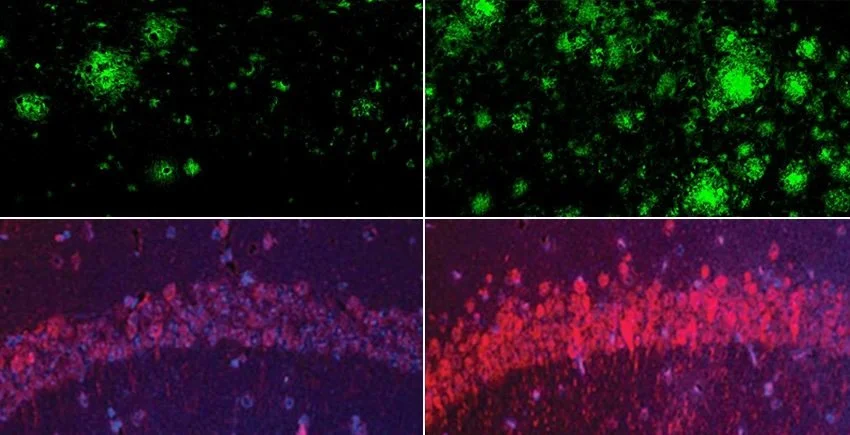
The science journal Nature published research recently that shows a strong connection between lithium loss and Alzheimer's. When lithium—which occurs naturally in the brain—becomes depleted, it accelerates the formation of amyloid-beta plaques and structures and gives way to inflammatory cells in the brain. But researchers found that the use of lithium orotate helped reverse disease-related effects and restore memory function. Read what Harvard Medical School has to say about the subject.

Grey Matters 10.29.25
Hello Friend,
Happy Halloween to those who observe. Okay, who’s not dressing up as a member of the Louvre heist crew? And with that, welcome to the inaugural edition of our newsletter, Grey Matters! First, thank you for subscribing and joining Geritas….

It’s a Beautiful Day in the Neighborhood
In 2023, a former U.S. Surgeon General declared loneliness an epidemic, noting that social connection is as critical to good health and longevity as exercise and nutrition. While loneliness is most often associated with older adults, the epidemic impacts people of all ages. San Francisco’s “Meet Six Neighbors,” part of a statewide initiative to strengthen social networks, challenges individuals to connect with six nearby neighbors. It’s an idea that can be implemented in any and every neighborhood, and across all age groups. A focus on intergenerational friendships would be great, too. Read more about the program in the SF Chron.

Doing Good Is Good For You
In addition to serving your community, new research found that volunteering can serve you, as well, particularly in retirement. Learn how to find an opportunity that aligns with your passions, skills, and schedule.

The Lowdown on Longevity Supplements
Experts split anti-aging supplements into two categories: traditional and emerging.
The upshot: There is little scientific evidence to support either avenue, although most doctors are comfortable prescribing conventional vitamins such as D and B12, if they deem a patient deficient. However, the medical community urges caution when it comes to experimental supplements, even as some professionals believe the industry holds promise.
A surprise twist: While the subject of supplements can be divisive, all experts agree that exercise is the only proven option for stemming or reversing epigenetic (alterations at the cellular level) aging.

Let’s Talk About Ageism
Ageism Awareness Day is October 9th. Two ways you can combat ageism:
Strengthen intergenerational bonds, helping people to see beyond stereotypes.
Be mindful of language, avoiding phrases such as “anti-aging” and diminutives like “honey” or “sweetie.”
Find resources and more information at the link below.
HIIT and Its Impact on Cancer
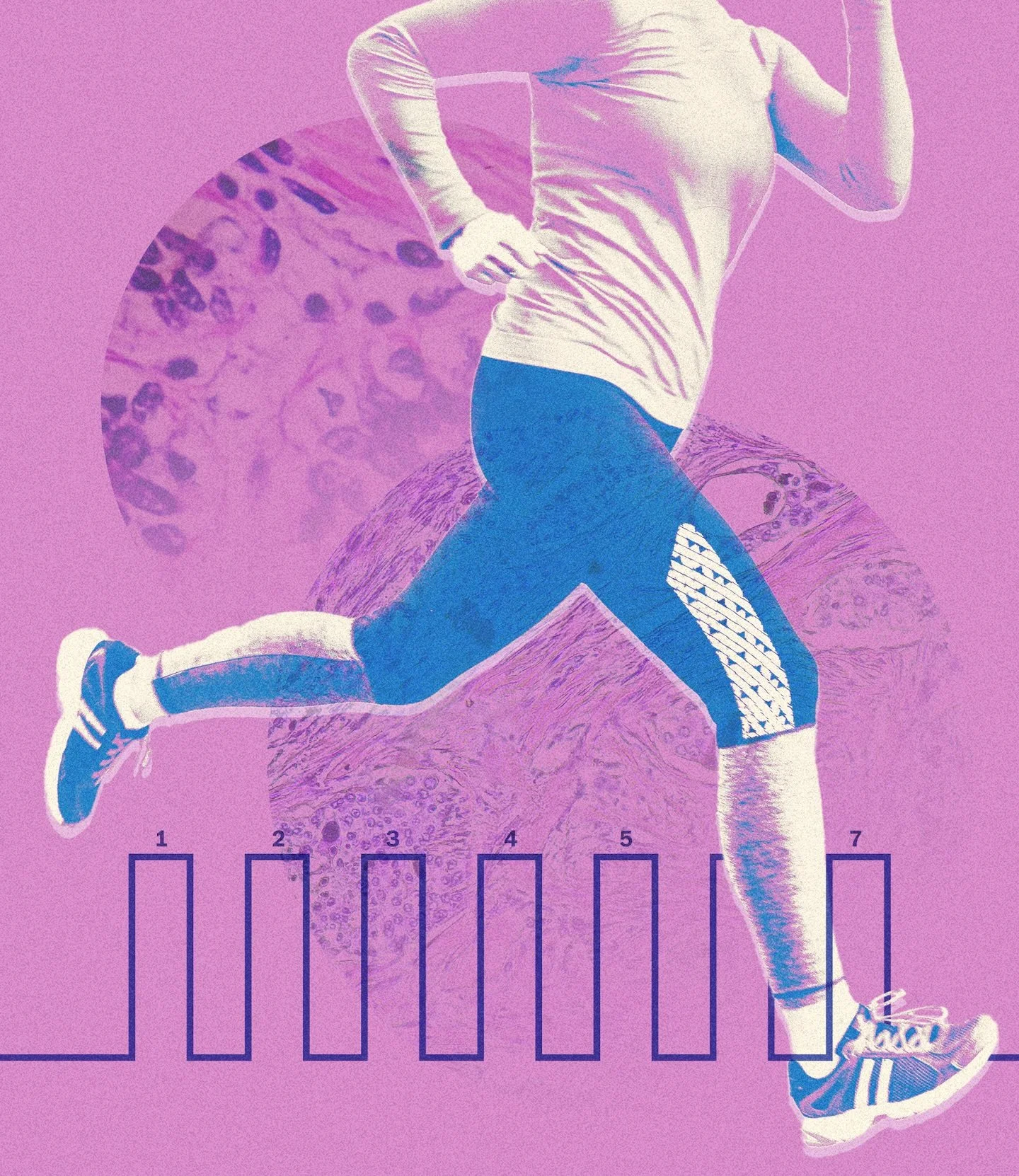
A new study shows that even a single session of high-intensity interval training (HIIT) can combat cancer on multiple levels. Scientists found that strenuous exercise produced specific proteins, known as myokines, which positively impact immune responses and inflammation. Furthermore, the research suggests that HIIT not only has the potential to impede the development of cancer, but can also improve survival rates. Read more about the results by following the link below.

Nuns on the Run
A somewhat lighthearted look at a serious issue: Where do you live when you’re old? Read the New York Times piece.
Only in America
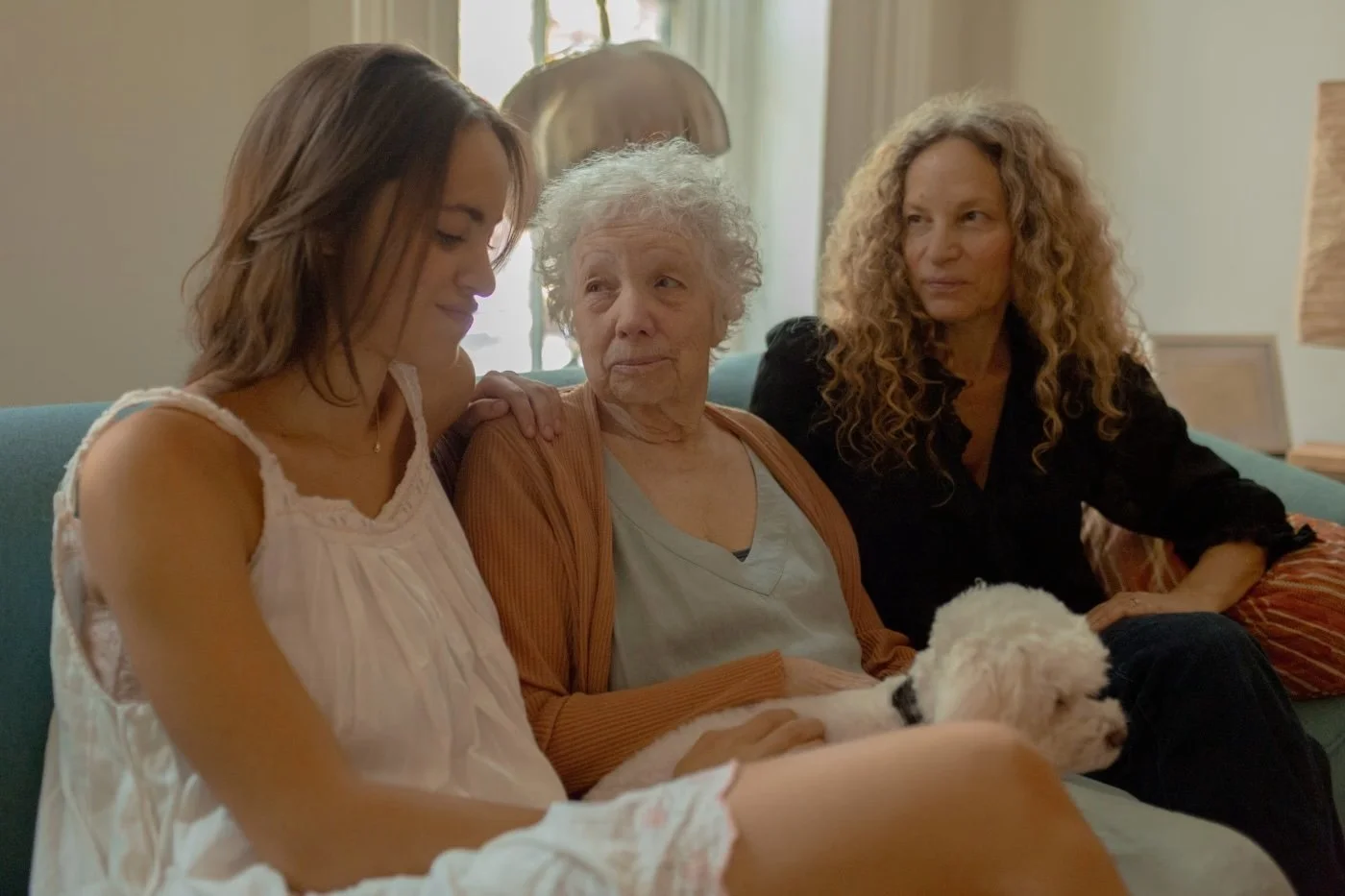
In this poignant, personal essay, WSJ writer Katie Roiphe details the beauty and banality of having her nearly 90-year-old mother move in with her. She notes that only in America would this decision be considered shocking, unlike “in India say or Italy, where generations crowd together into a single household.” Roiphe tenderly describes a universal fear/truth of aging in America. Well worth a read.
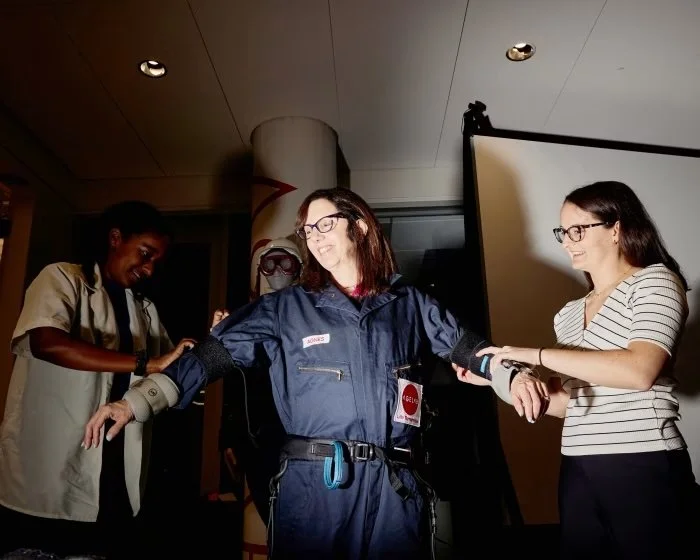
MIT Age Simulation Suit Replicates the Effects of Aging
AGNES, which stands for Age Gain Now Empathy System, is a suit designed by MIT AgeLab to teach people how to prepare for what it’s like to grow older. Not likely to hit the fashionista lists, the suit features weights and other components that mimic what it feels like to lose muscle mass, range of motion and mobility, balance, and even vision.
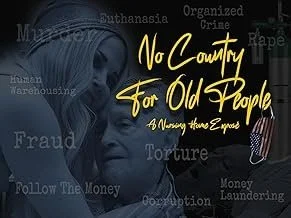
What We’re Watching
“No Country for Old People: a Nursing Home Expose” is a harrowing, heartbreaking, and haunting account of the abject failure of the nursing home care system. Filmmaker Susie Singer Carter chronicles her mother’s last six months in a facility and draws on experts and advocates to shed light on why the system is failing. The three-part docuseries is available on Amazon Prime. Watch a news clip about the film at the link below.
7 Challenges Facing America's Aging Population
At the 2025 meeting of the Population Association of America, aging experts identified 7 major trends impacting the health and lifespans of older Americans. Three that stood out to us: 1. More Americans are living with chronic diseases later in life, despite advances in healthcare. The solution may involve focusing on wellness in early childhood and adolescence. 2. Robust social networks are absolutely critical to lifespan. 3. Climate crises and extreme weather disproportionately impact older adults, increasing physical, social, and financial vulnerability.
The speakers also specified several promising areas for future research.

We’re In This Together
Eleven women, all single and aged 60-80, have banded together for company, community, and caregiving. The Bird’s Nest, located in East Texas, is an intentional village of individual tiny homes, along with common gathering areas. As we age, this type of compound, reminiscent of college culture, is a popular topic among many of our female friends. Although in our version, boys may be allowed, too.

Leveraging Aging
Forbes 2025 “50 Over 50” list celebrates women who are seeing their greatest impact in the second half of their lives. The annual roster features innovators, entrepreneurs, investors, and inventors. As Forbes notes, these women “are using the wisdom and confidence earned from age to leave the world better than they found it.” See who’s on the list.

What We’re Watching
Caregiving, a documentary produced by Hollywood star Bradley Cooper, shines a light on the often unsung role of everyday heroes—family caregivers. The two-hour film shares the powerful and profound stories of six caregivers tending to the aging, the dying, and the chronically ill. Streaming now on PBS.

Aging Outliers Offer Valuable Lessons
Emily Rogalski, a University of Chicago scientist, studies both superagers (whom she defines as people over age 80 with memory performance at least as good as an average 50- to 60-year-old), as well as individuals at the other end of the aging spectrum—those with PPA, a disease that renders people unable to speak beginning in middle age. She believes these two extreme, and extremely rare groups, offer lessons in both brain resiliency and brain vulnerability.

The Joy of Living
When you add the terms lifespan + health span (the length of time a person spends in good health) the sum is the concept of joyspan. Coined by gerontologist Dr. Kerry Burnight, joyspan refers to a deep sense of well-being and fulfillment, particularly during the second half of life. It allows one to thrive, and not merely survive, while growing older. Burnight offers four “non-negotiables” for cultivating and lengthening your joyspan: grow, adapt, give, and connect. Read more about what each action means in the NYT “Well” column.