

What is a Dementia Directive?
Developing dementia is one of the greatest fears of growing older. Having advance healthcare directives, a healthcare proxy, and documenting end-of-life wishes should be standard practice for every adult.
However, traditional advance directives may not be enough. Dementia directives—while not legally binding—can provide additional guidance about a person's preferences at different stages of the disease. This can help families and caregivers navigate extraordinarily difficult decisions with greater clarity and confidence.
Follow the link below to read the WSJ article on what dementia directives are, why they matter, and to access free online templates.
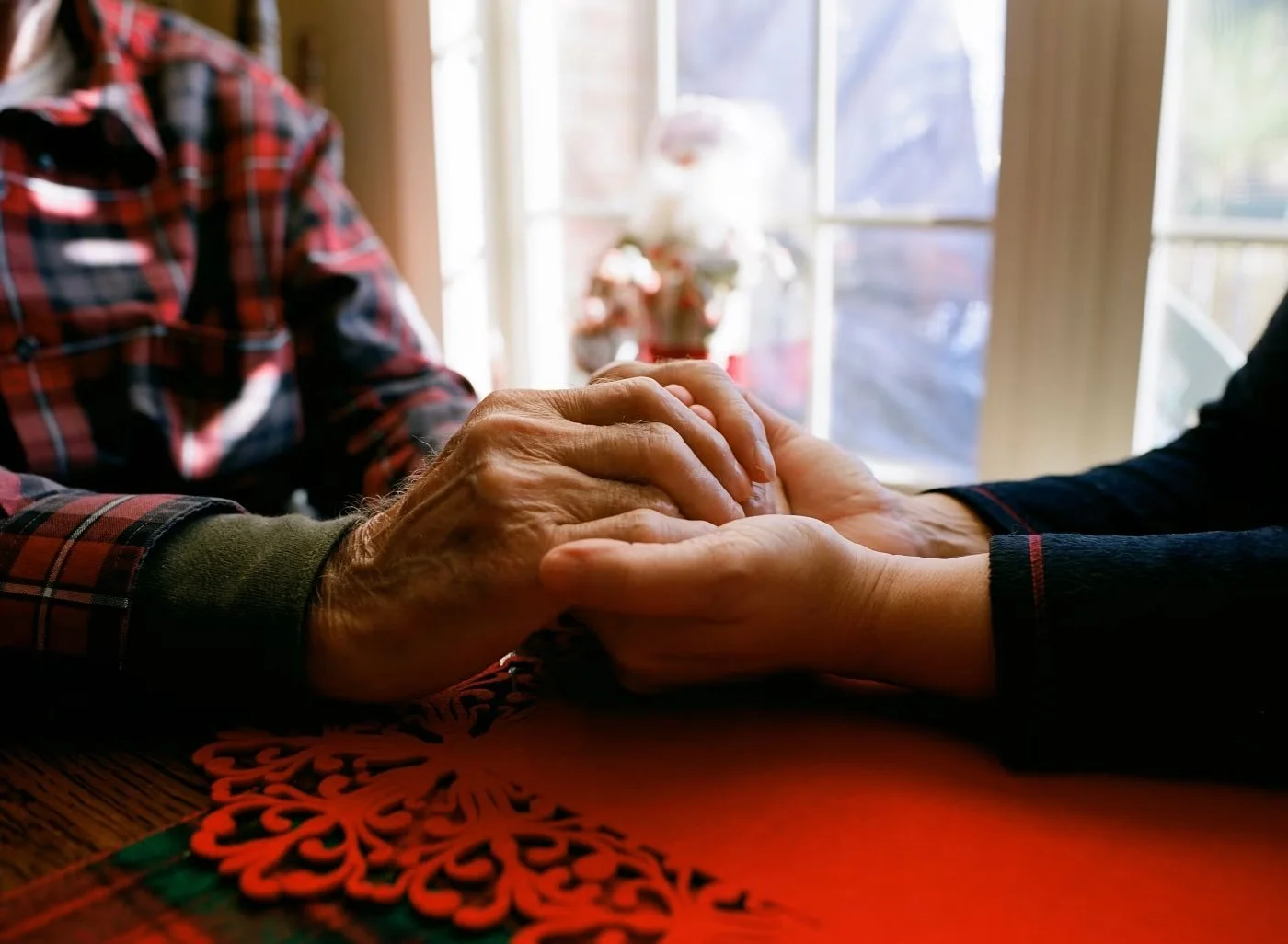
The Ethical Dilemmas of Dementia Care
Is it ever acceptable to lie to protect the people you love? It's just one of the many heart-wrenching ethical dilemmas that dementia care presents.
As the WSJ article notes, thoughtful planning for one's later years can help mitigate some of these challenges. But planning alone isn't enough. As the U.S. population ages and people live longer, we also need a broader range of housing and care options.
Perhaps if more innovative and appealing models were widely available—such as friend compounds, intergenerational communities, and dementia villages—more people would choose to make the transition earlier. Doing so could ease the burden on loved ones while helping ensure greater safety, dignity, and quality of life for those living with dementia.

Coffee’s Perks Extend Beyond Boosting Energy
A rigorous study, conducted over the course of more than 40 years and including nearly 132,000 participants, found that coffee may reduce the risk of developing dementia. The fine print: the coffee (or tea) must be caffeinated and consumed in moderation, meaning two to three cups daily.

A Vaccine to Fight Dementia?
It might already exist. Advanced research conducted by Stanford Medicine found that the shingles vaccine may, in fact, do double duty: treating its intended target, and offering protection against developing dementia, lowering the risk by as much as 20%. The findings support a nascent medical hypothesis that viruses impacting the nervous system can negatively affect cognitive functioning. Read more about the groundbreaking study at Stanford News Center.

A Moving Movie About Age-Related Dementia
The documentary film, “Keys Bags Names Words” (the things Alzheimer’s patients lose most often), examines the disease from multiple perspectives, including exploring positive approaches to caring for, and connecting with, those affected. Visit the film’s website to find out about upcoming screenings, or to schedule one of your own.

A Village By Any Other Name…
It takes a village, as we all know, but what does that village look like for those suffering from dementia? The New York Times reports on ‘dementia villages,’ which are becoming the future of home care, offering multi-dimensional services and care.