

Helping Us to Live Longer, Better
From reprogramming human cells to addressing societal ageism, TIME’s 2026 “Longevity Leaders” are leading the way to longer, healthier lives. Read about these 12 dynamic innovators at the link below.
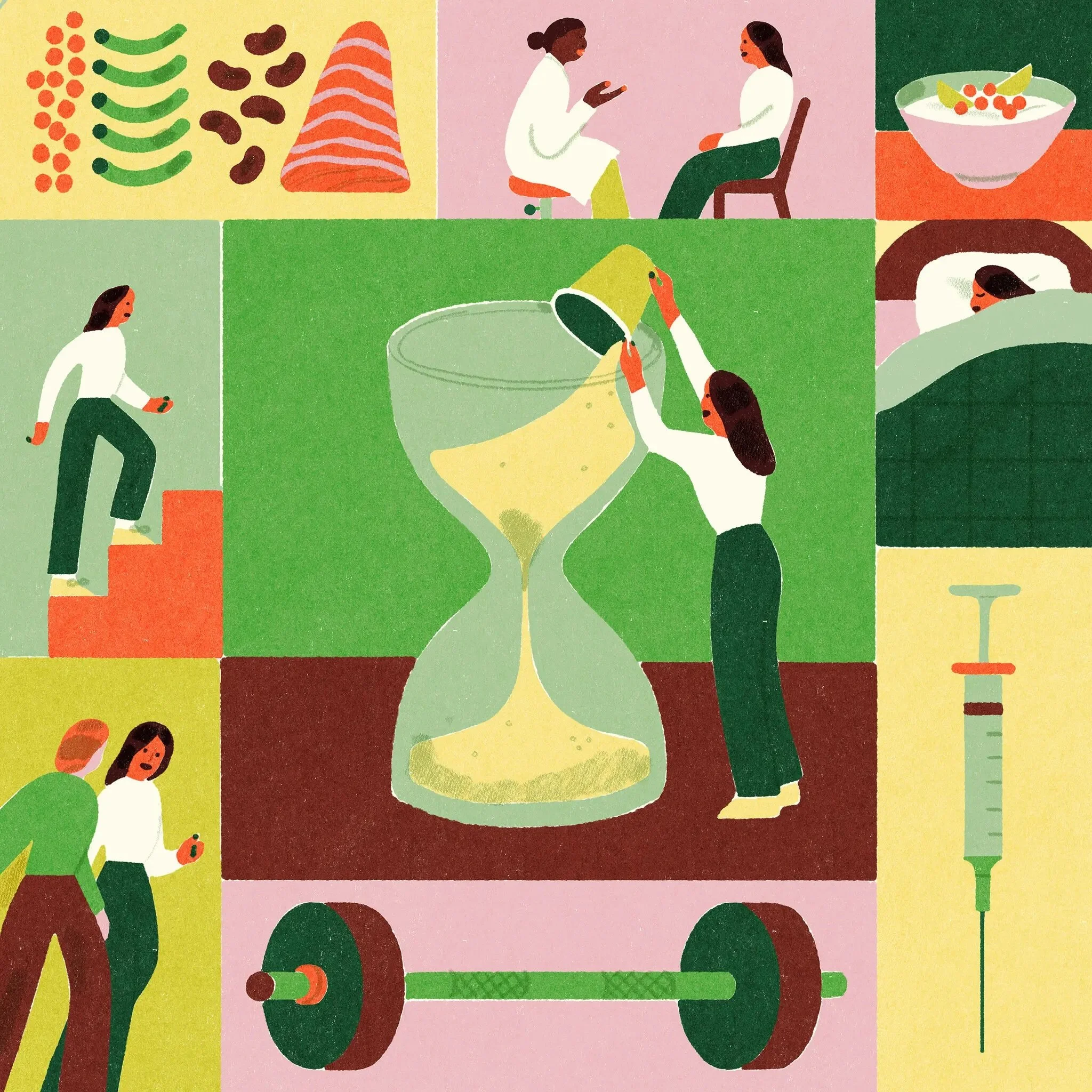
9 Tips to Improve Longevity
Experts share nine things to do in midlife (roughly defined as ages 40 - 60) to increase lifespan and health span. These include: maintain and expand personal relationships (social interaction is a critical wellness intervention); eat fermented foods to help control inflammation—a major contributor to many age-related illnesses; and get the shingles vaccine, which has the added benefit of protecting against dementia. See the full list at the link provided below.
Strategies for Longer, Healthier Lives
Join the Buck Institute–in person or via Zoom–on May 6 at 11am PT for the seminar, “Scientific Wellness to Unlock Longer, Healthier Lives.” Through big data, AI, and other advanced tools, Dr. Nathan Price is developing tailored strategies to support individual longevity. Follow the link below to register for the event.

Redefining Old Age
As Time magazine suggested on the cover of its recent Longevity issue, we are in an era of a new old age. Lifespans have changed dramatically over the past several decades, and with that, newer generations of elders have emerged that are far more productive and active than past populations. Follow the link below to read more about the emerging trends and implications of the new old age.
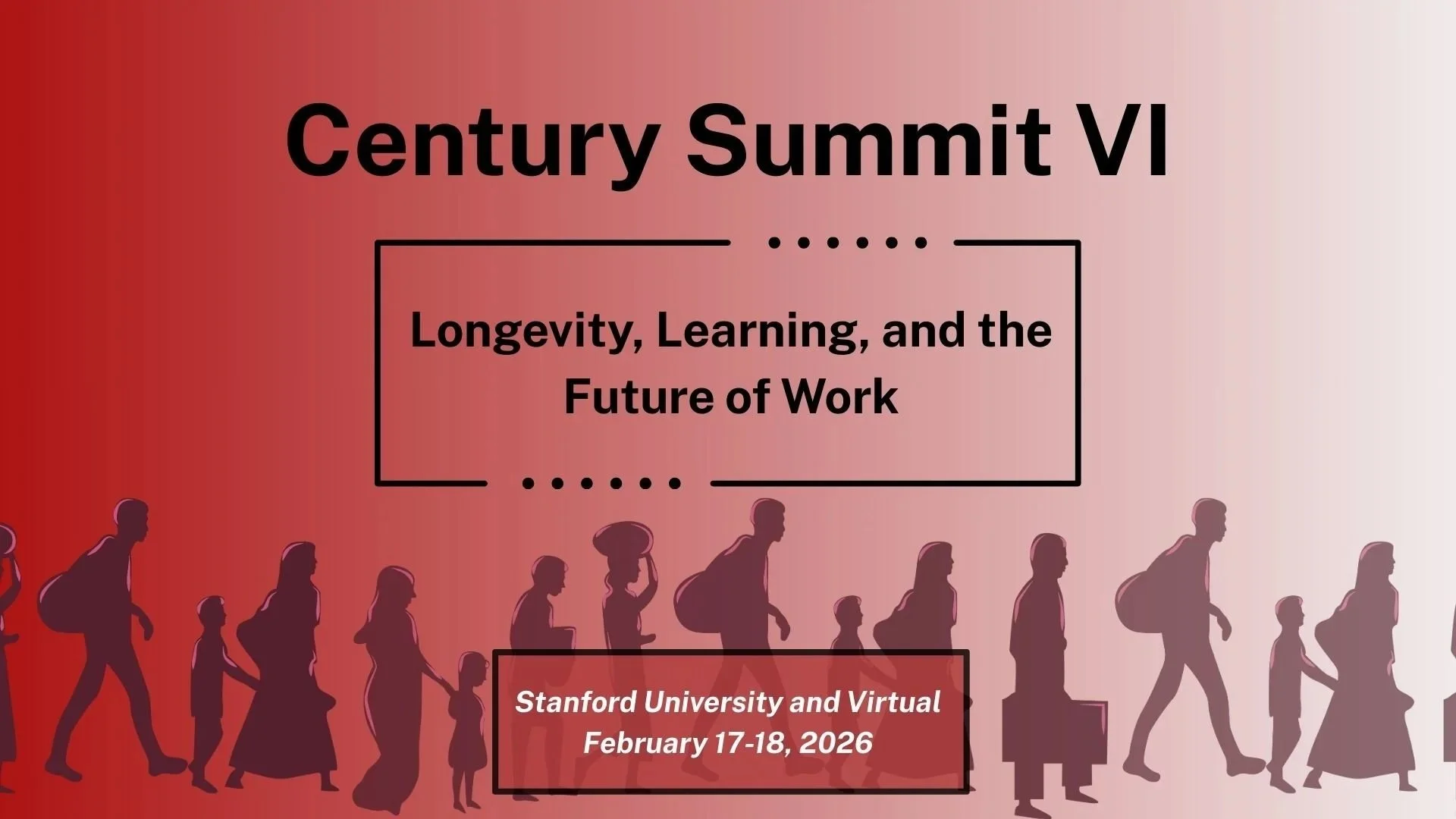
Rethinking Careers in an Era of Longer Lifespans
The sixth annual Century Summit will be held February 17 & 18, 2026 at Stanford University and online (the virtual platform is free for all participants). This year’s program will focus on how to develop and support professionals across extended career journeys as we live longer and healthier lives. One key question to be addressed: How can we ensure that opportunity is not limited by age? Follow the link below to find out more.

The Emerging Science of Healthspan
Join Mount Sinai medical experts for an online conversation on “Protocols for Living Better, Not Just Longer: The Science Behind Longevity and Healthspan.” Part of 92NY’s Spark Your Health Talk Series, the program will take place November 5th at 7pm ET. Read more about the virtual event and register by following the link below.

7 Challenges Facing America's Aging Population
At the 2025 meeting of the Population Association of America, aging experts identified 7 major trends impacting the health and lifespans of older Americans. Three that stood out to us: 1. More Americans are living with chronic diseases later in life, despite advances in healthcare. The solution may involve focusing on wellness in early childhood and adolescence. 2. Robust social networks are absolutely critical to lifespan. 3. Climate crises and extreme weather disproportionately impact older adults, increasing physical, social, and financial vulnerability.
The speakers also specified several promising areas for future research.

Getting Into a Rhythm
Researchers confirmed the relationship between the body’s circadian rhythm and metabolic health. Getting into a rhythm is also critical to exercise performance and benefits. A new study found that working out early in the day, and maintaining consistency, achieved the best results. Read more about the findings at the link below.