

Do Older Americans Have a Drug Problem?
Prescribing medications can be a fallback position for some physicians and, too often, there’s a failure to conduct an ongoing assessment of the need for, and effectiveness of, the medication. This is particularly true for older adults. Three of the most commonly over prescribed and overused drugs are: Benzodiazepines (including Valium, Xanax and Ativan) and the related drugs Ambien and Lunesta; antibiotics; and aspirin, yes, aspirin. Read more at the NYT link below.
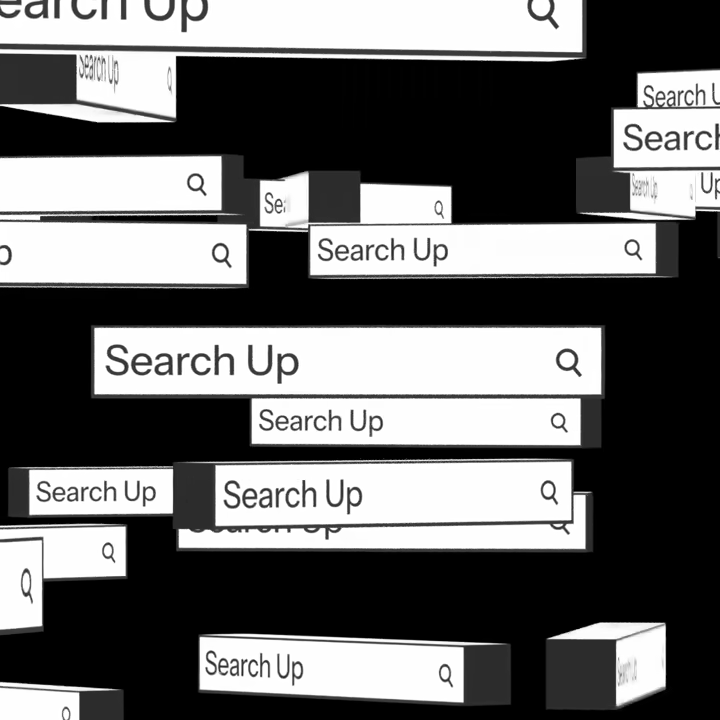
Still saying, “Google it”?
Well, get over it! While younger generations may still use Google when they talk about finding information online, their preferred term is “search it up.” Why? Their search strategy is platform-agnostic, meaning they engage across various social media apps and online channels. For more on this term, read the NYT article below. And if you’re interested in learning additional current slang, search up “ate,” “chopped,” “sigma,” and “canon event.”

Grey Matters 8.28.26
Each month, we come across thoughtful articles, compelling research, inspiring stories, and practical resources that deepen our understanding of aging well. Some we share on social media. Others are recommended by members of the Geritas community. All are worth passing along.

Helping Us to Live Longer, Better
From reprogramming human cells to addressing societal ageism, TIME’s 2026 “Longevity Leaders” are leading the way to longer, healthier lives. Read about these 12 dynamic innovators at the link below.
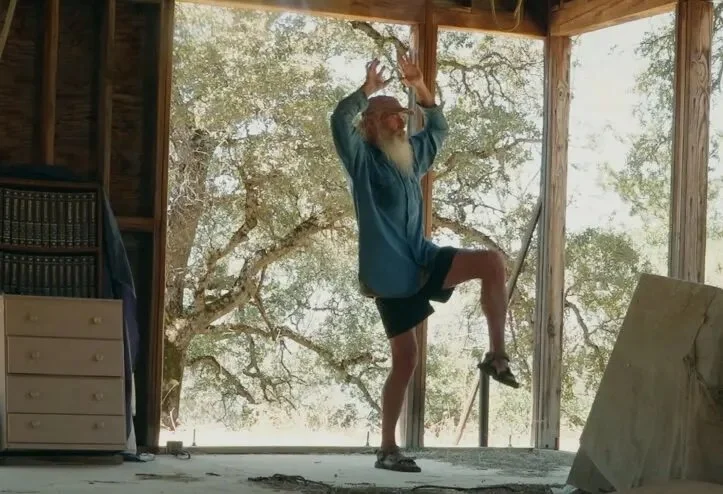
What We’re Watching: A Bend in the River
Robb Moss's documentary The Bend in the River follows five former Colorado River guides now in their 70s, revisiting people he filmed in their 20s and again in middle age. By blending decades-old footage with present-day interviews, the film explores how aging reshapes identity, relationships, and perspectives on life.
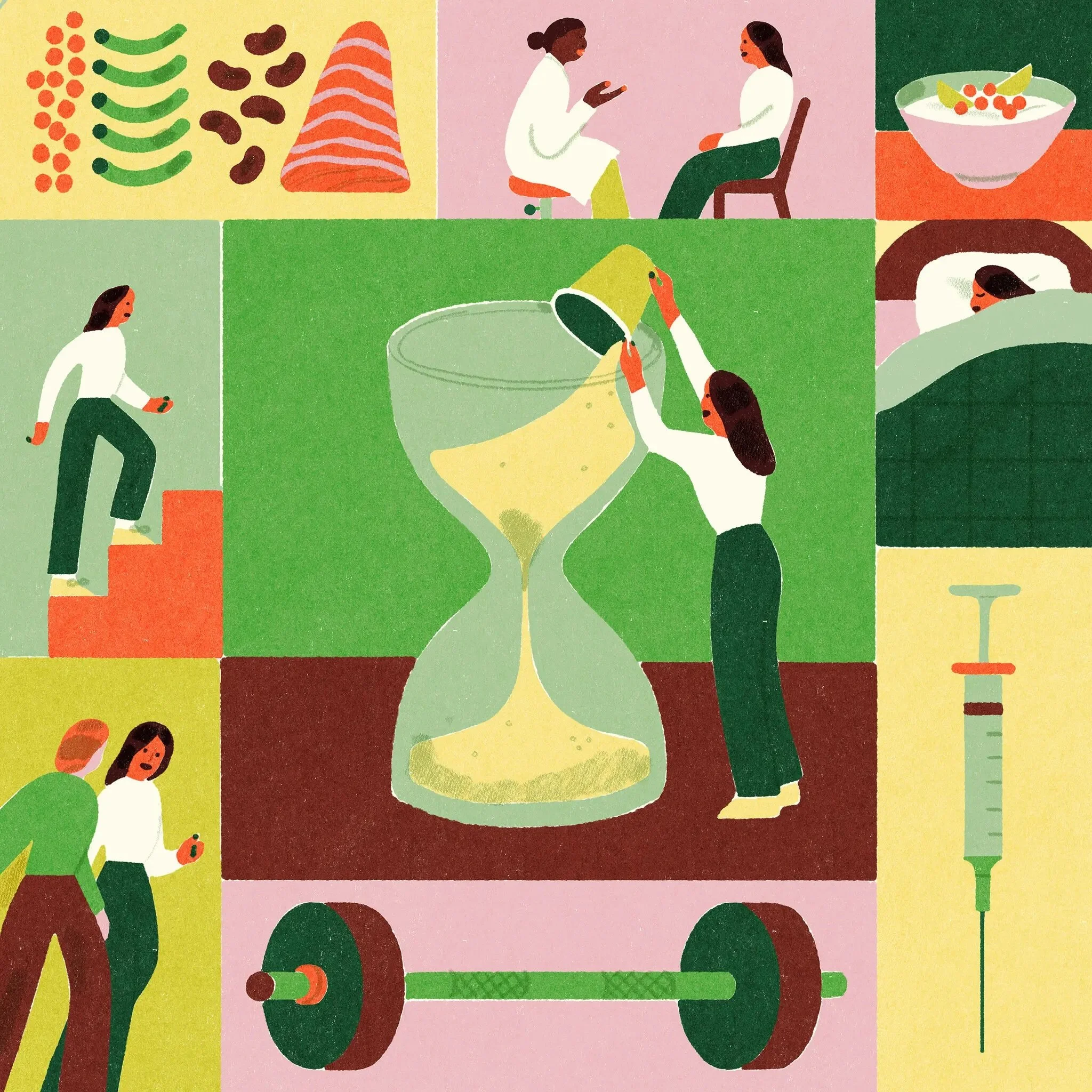
9 Tips to Improve Longevity
Experts share nine things to do in midlife (roughly defined as ages 40 - 60) to increase lifespan and health span. These include: maintain and expand personal relationships (social interaction is a critical wellness intervention); eat fermented foods to help control inflammation—a major contributor to many age-related illnesses; and get the shingles vaccine, which has the added benefit of protecting against dementia. See the full list at the link provided below.
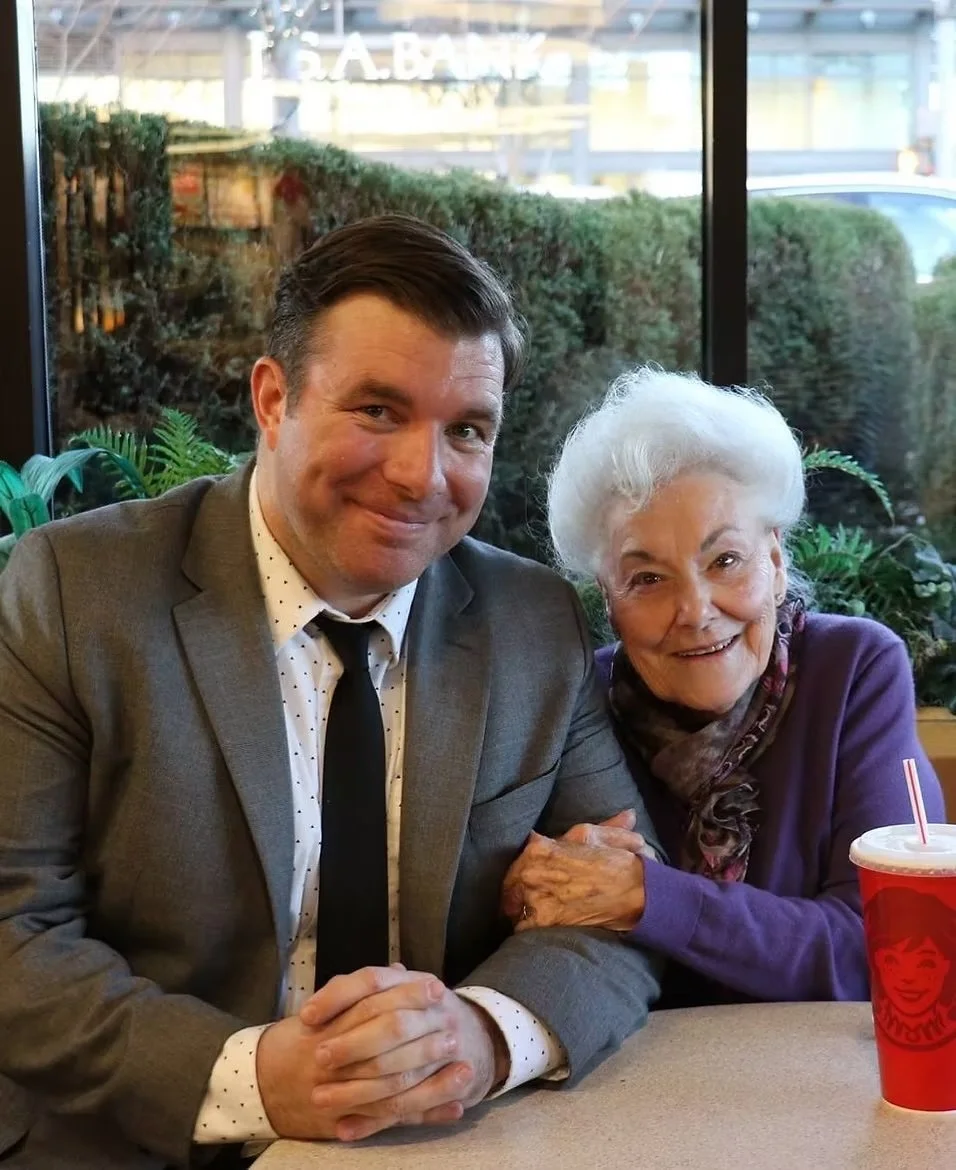
Talk to a Stand-In Grandma!
The Grandma Stand, a charming purple booth, pops up in various locations throughout New York City. Staffed by wise and welcoming grandmas, this mobile stand offers passersby an opportunity for conversation, connection, and comfort. Watch a heartwarming segment on the Today show, where volunteer grandmas share their sidewalk counsel with the community.
Grey Matters 7.31.26
Each month, we come across thoughtful articles, compelling research, inspiring stories, and practical resources that deepen our understanding of aging well. Some we share on social media. Others are recommended by members of the Geritas community. All are worth passing along.
Beginning this month, we're bringing them together in one place.
Who Will Care for Our Elders?
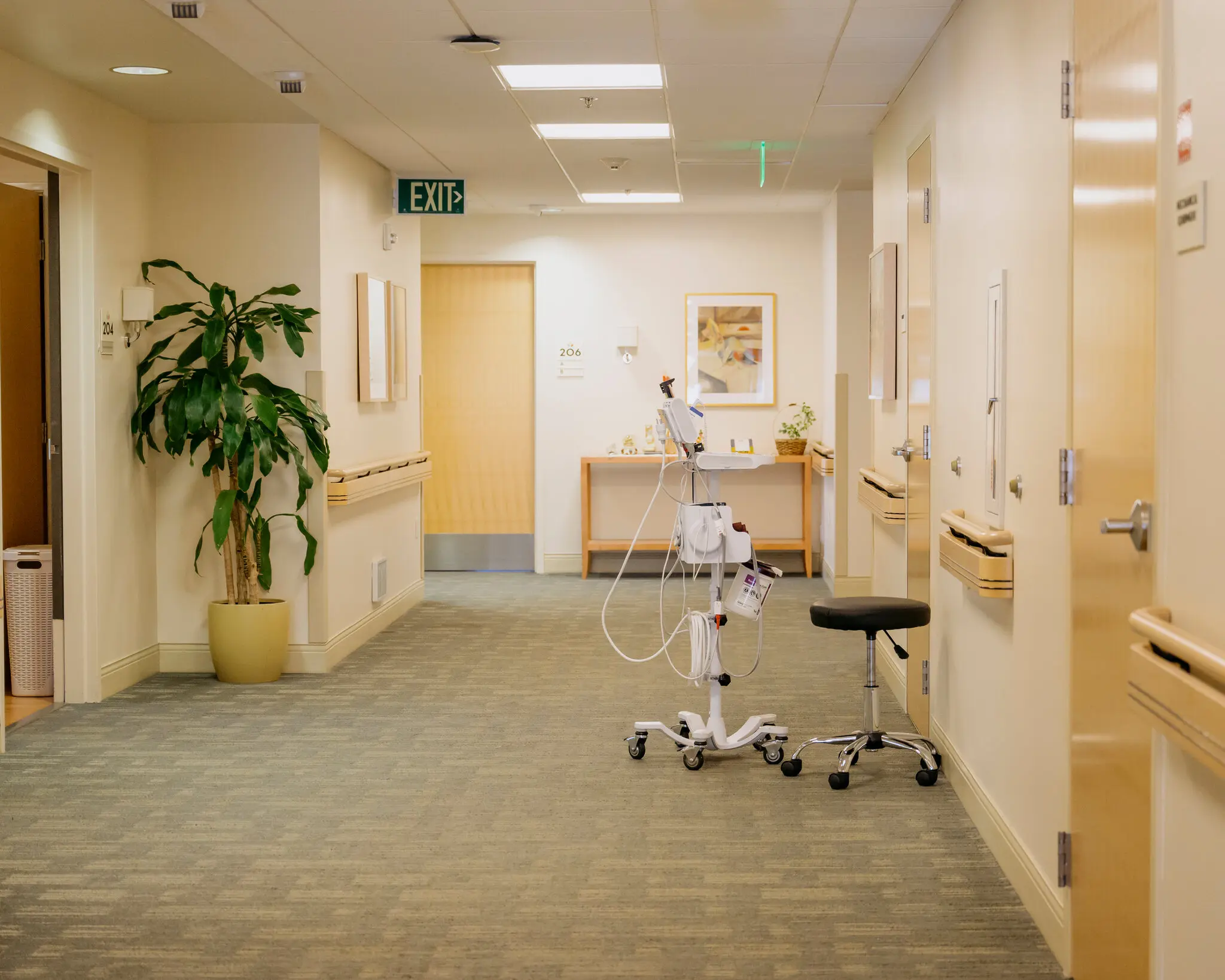
The senior-living industry, already grappling with a severe staffing shortage, is facing further challenges due to the current administration’s draconian immigration policies. Millions of immigrants—both eligible and undocumented workers—fill essential elder-care roles in the U.S. As they are forced out of these critical care positions—particularly as the population of Americans 65 years of age and older continues to expand—the crisis will only escalate.

What is a Dementia Directive?
Developing dementia is one of the greatest fears of growing older. Having advance healthcare directives, a healthcare proxy, and documenting end-of-life wishes should be standard practice for every adult.
However, traditional advance directives may not be enough. Dementia directives—while not legally binding—can provide additional guidance about a person's preferences at different stages of the disease. This can help families and caregivers navigate extraordinarily difficult decisions with greater clarity and confidence.
Follow the link below to read the WSJ article on what dementia directives are, why they matter, and to access free online templates.
The Ethical Dilemmas of Dementia Care
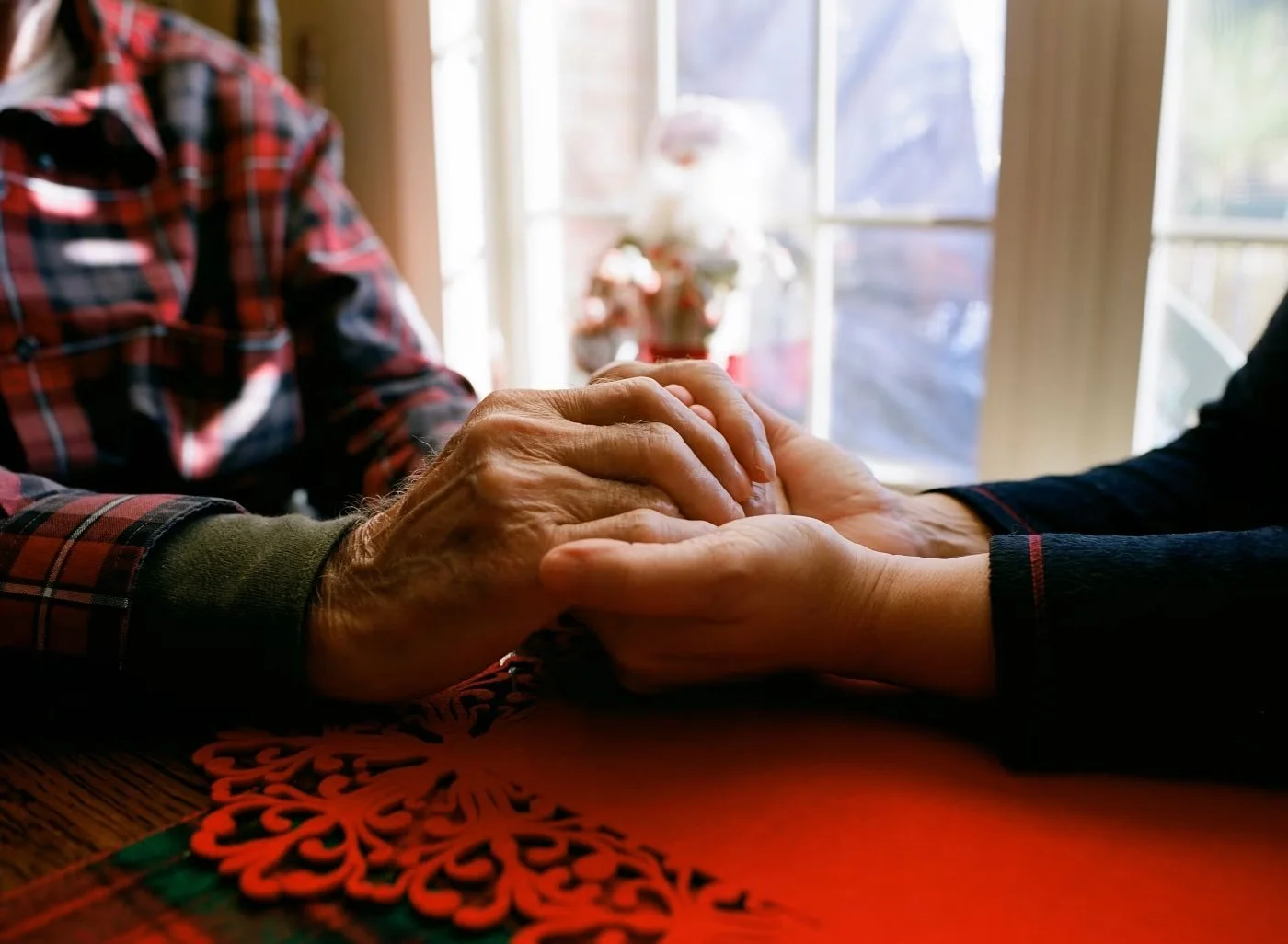
Is it ever acceptable to lie to protect the people you love? It's just one of the many heart-wrenching ethical dilemmas that dementia care presents.
As the WSJ article notes, thoughtful planning for one's later years can help mitigate some of these challenges. But planning alone isn't enough. As the U.S. population ages and people live longer, we also need a broader range of housing and care options.
Perhaps if more innovative and appealing models were widely available—such as friend compounds, intergenerational communities, and dementia villages—more people would choose to make the transition earlier. Doing so could ease the burden on loved ones while helping ensure greater safety, dignity, and quality of life for those living with dementia.
Gramping: The Travel Trend Bringing Generations Closer
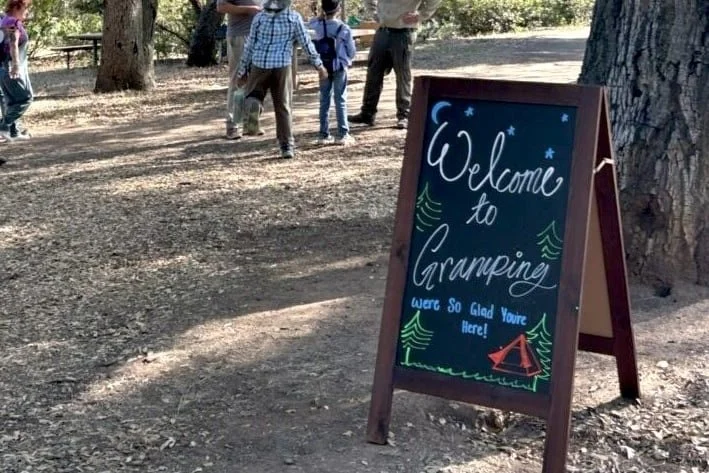
No doubt you’ve heard of glamping. But how about gramping? This travel trend—part of the growing movement known as skip-gen travel—brings grandparents and grandchildren together for a camping trip or shared adventure, without parents in tow. More than a getaway, these experiences create meaningful connections, strengthen bonds across generations, and build memories that can last a lifetime.
Read more about the benefits of gramping at the link below.

Grey Matters 7.2.26
We received such an enthusiastic response to our Summer Culture Issue that we decided to come back for an encore.
And while reading your thoughtful feedback, we realized we left out one essential category: music.
So, thanks to contributions from the Geritas community (and a little editorial hindsight), we’ve added some recommendations for your listening pleasure, as well as another round of books, film, podcasts, and experiences for your summer enjoyment.
How to Stay Stronger Longer
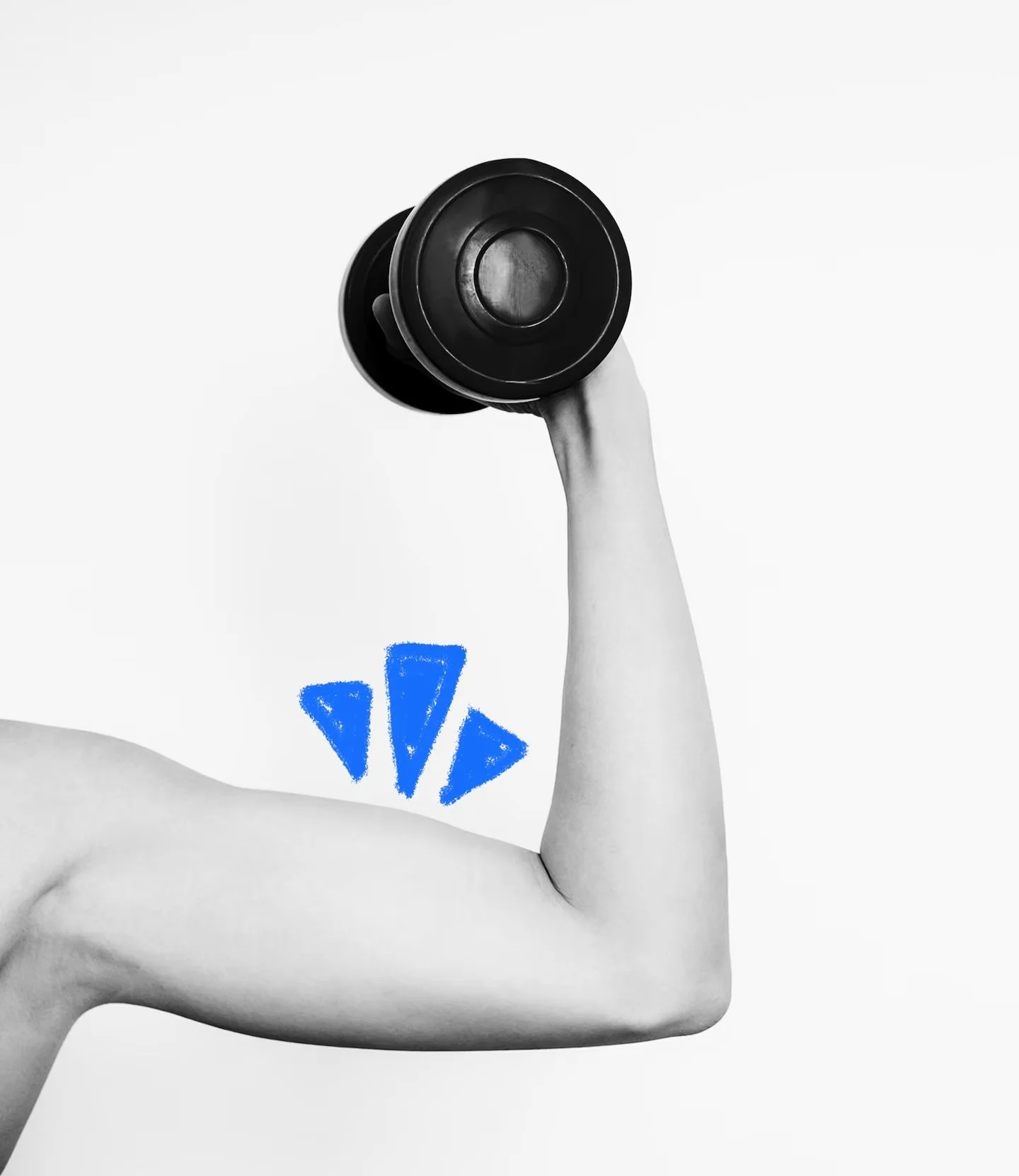
Age-related muscle loss—known medically as sarcopenia—is common and often begins as early as our 40s. However, it doesn’t have to be accepted as an inevitable part of aging. There are proven strategies for building and maintaining strength over time by ensuring that muscles are properly challenged, fueled, and given adequate time to recover.
Follow the link below to learn four actions you can take to maintain and even increase muscle mass as you age.

Grey Matters 6.19.26
There are plenty of reasons to make time for art this summer. And a new one just joined the list.
We’ve long believed that art nourishes the soul. Emerging research suggests it supports the body, too. A recent study from University College London found that engaging in arts and cultural activities may help slow biological aging, with benefits comparable to physical activity.
That doesn’t mean replacing your walk with a museum visit. But it does reinforce something we’ve suspected all along: meaningful engagement matters.
So consider this your summer invitation. Read. Watch. Listen. Wander. Press play. Visit the exhibit. Stay for the conversation.
Here’s what’s currently in our queue.

Reverse Aging Drug Injected into a Human Being for the First Time
After years of promising animal studies, the first human has received an injection designed to partially reset aging cells. Somewhere, at least a few older adults are thinking, “So… do I still have to stretch before tennis?”
Given the early stage of this experimental therapy and the fact that it’s not yet ready for primetime, we’d say keep going with the strength and fitness training.

Can Art Benefit Aging? New Research Says Yes
We’ve long believed that art nourishes the soul. Now new research suggests it may benefit the body as well. A recent study from University College London found that engaging in arts and cultural activities can help slow biological aging and offer benefits comparable to physical activity. Study co-lead Feife Bu said the findings highlight the importance of including the arts in public health strategies and investments.
Read more about the study below and tag your favorite arts organizations/artists in the comments!

Food for Sleep
In our recent sleep series, we discussed how when you eat can impact your restfulness. However, we didn’t delve into how what you eat can also affect your sleep quality. According to nutrition experts, certain foods can subtly support a good night’s rest (in conjunction with appropriate timing). These include: kiwi, turkey, eggs, tart cherries, milk, bananas, avocados, sweet potatoes, and walnuts. Read the “Food & Wine” article to learn more.
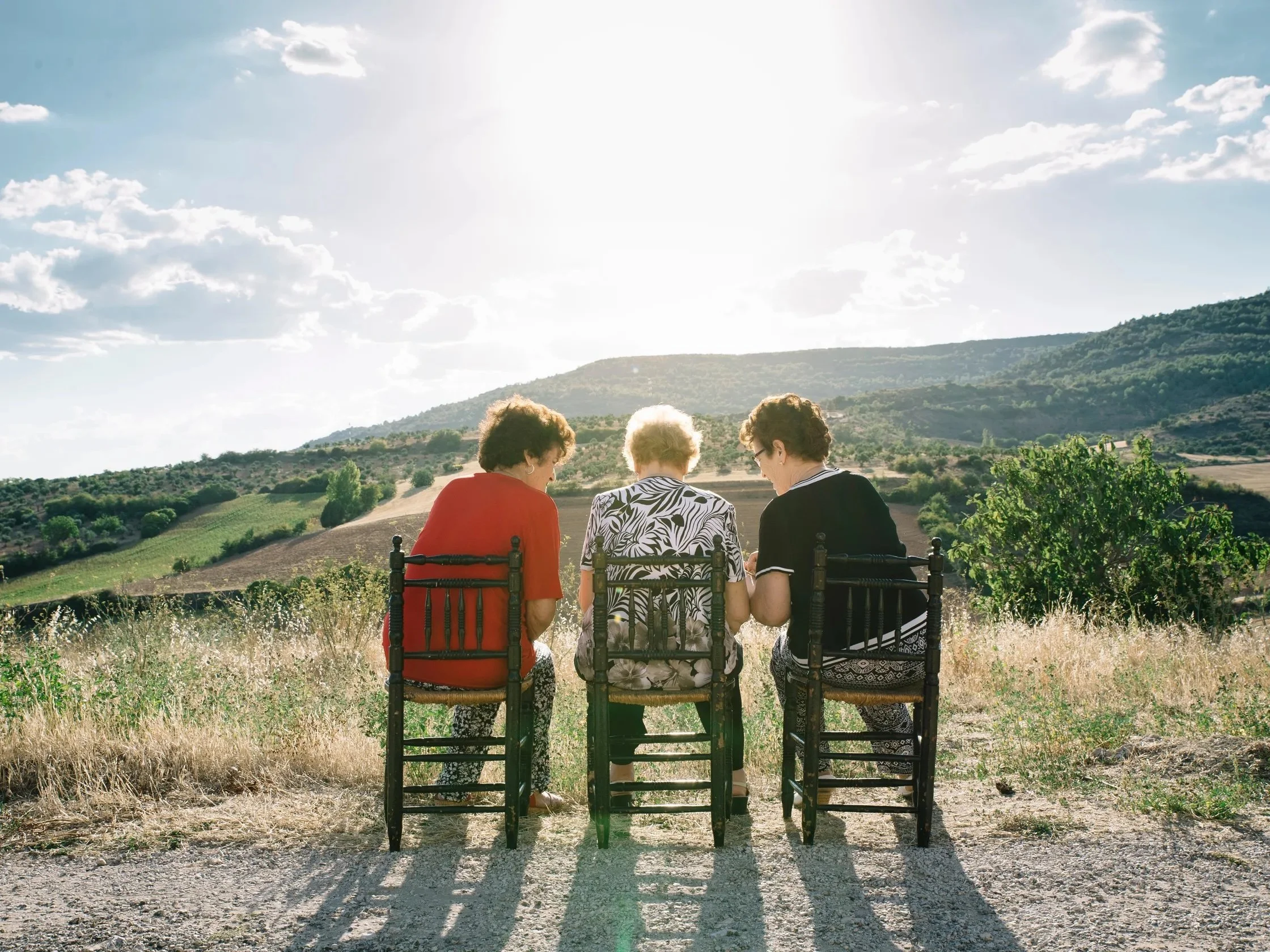
Embracing “Nonnamaxxing”
Is living like an Italian nonna—or grandmother—the way to maximize longevity? This wellness trend is gaining popularity among people of all ages, and suggests some very sensible advice, including: lean into aging, live mindfully, connect with community, and eat seasonally. Nonna sa tutto! Lo adoro!
Grey Matters 4.14.26
Hello Friend,
First, thank you to everyone who participated in our recent Sleep Poll. As you know, sleep has come under intense focus lately—arguably becoming today’s wellness obsession, rivaling even daily protein intake.
While this attention is warranted—quality sleep is strongly linked to longevity and reduced cognitive decline—there’s an important paradox: thinking too much about sleep can actually make it worse.