
Where Science Meets Soul
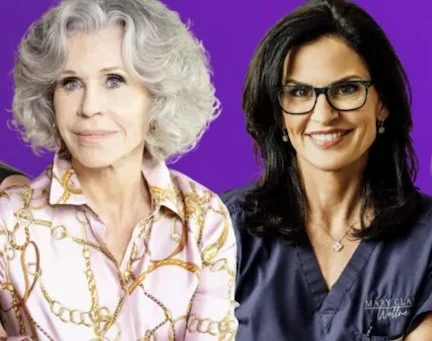
The Livelong Women’s Health Summit will take place in NYC, September 25-26, 2026. Featuring guest speakers Jane Fonda, Bobbi Brown, and Dr. Mary Claire Haver, the two-day agenda includes sessions on hormones, longevity, brain health, mobility, strength, connection, and joy. For more information and tickets, follow the link below.

Grey Matters 8.28.26
Each month, we come across thoughtful articles, compelling research, inspiring stories, and practical resources that deepen our understanding of aging well. Some we share on social media. Others are recommended by members of the Geritas community. All are worth passing along.

Helping Us to Live Longer, Better
From reprogramming human cells to addressing societal ageism, TIME’s 2026 “Longevity Leaders” are leading the way to longer, healthier lives. Read about these 12 dynamic innovators at the link below.
What We’re Watching: A Bend in the River
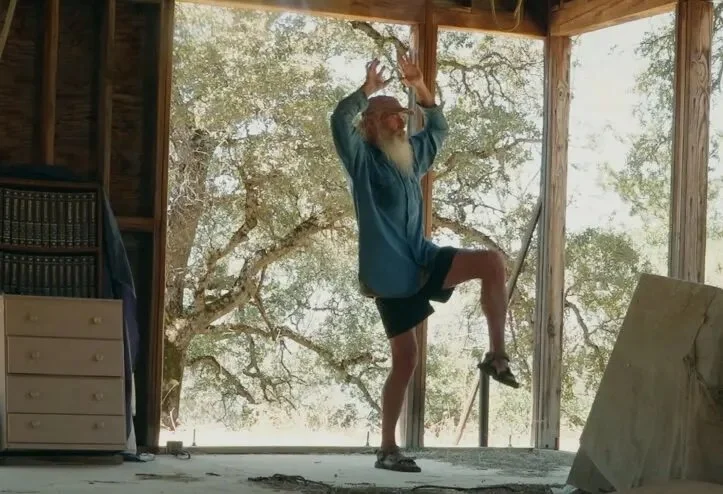
Robb Moss's documentary The Bend in the River follows five former Colorado River guides now in their 70s, revisiting people he filmed in their 20s and again in middle age. By blending decades-old footage with present-day interviews, the film explores how aging reshapes identity, relationships, and perspectives on life.
9 Tips to Improve Longevity
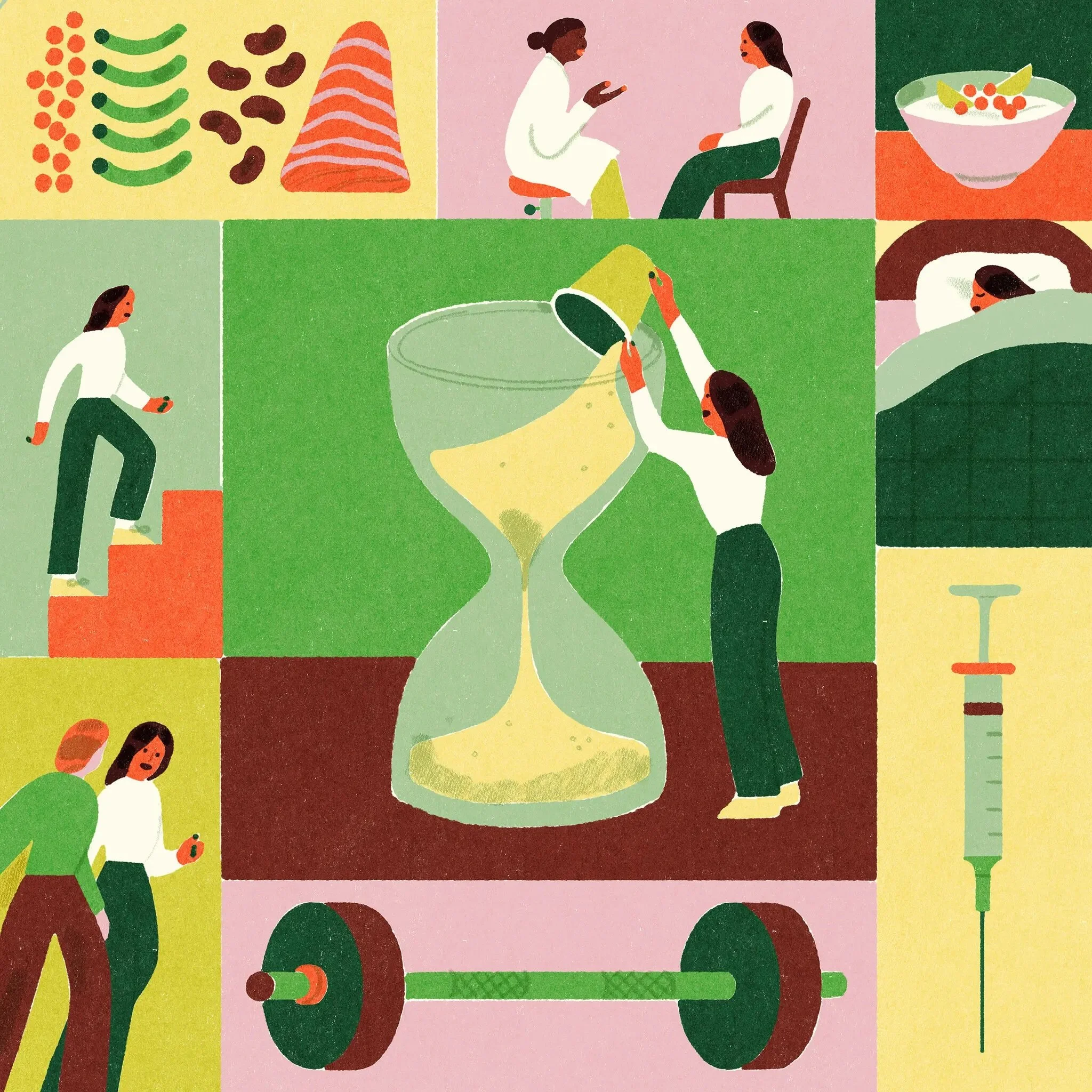
Experts share nine things to do in midlife (roughly defined as ages 40 - 60) to increase lifespan and health span. These include: maintain and expand personal relationships (social interaction is a critical wellness intervention); eat fermented foods to help control inflammation—a major contributor to many age-related illnesses; and get the shingles vaccine, which has the added benefit of protecting against dementia. See the full list at the link provided below.
Grey Matters 7.31.26
Each month, we come across thoughtful articles, compelling research, inspiring stories, and practical resources that deepen our understanding of aging well. Some we share on social media. Others are recommended by members of the Geritas community. All are worth passing along.
Beginning this month, we're bringing them together in one place.

Grey Matters 7.2.26
We received such an enthusiastic response to our Summer Culture Issue that we decided to come back for an encore.
And while reading your thoughtful feedback, we realized we left out one essential category: music.
So, thanks to contributions from the Geritas community (and a little editorial hindsight), we’ve added some recommendations for your listening pleasure, as well as another round of books, film, podcasts, and experiences for your summer enjoyment.
How to Stay Stronger Longer
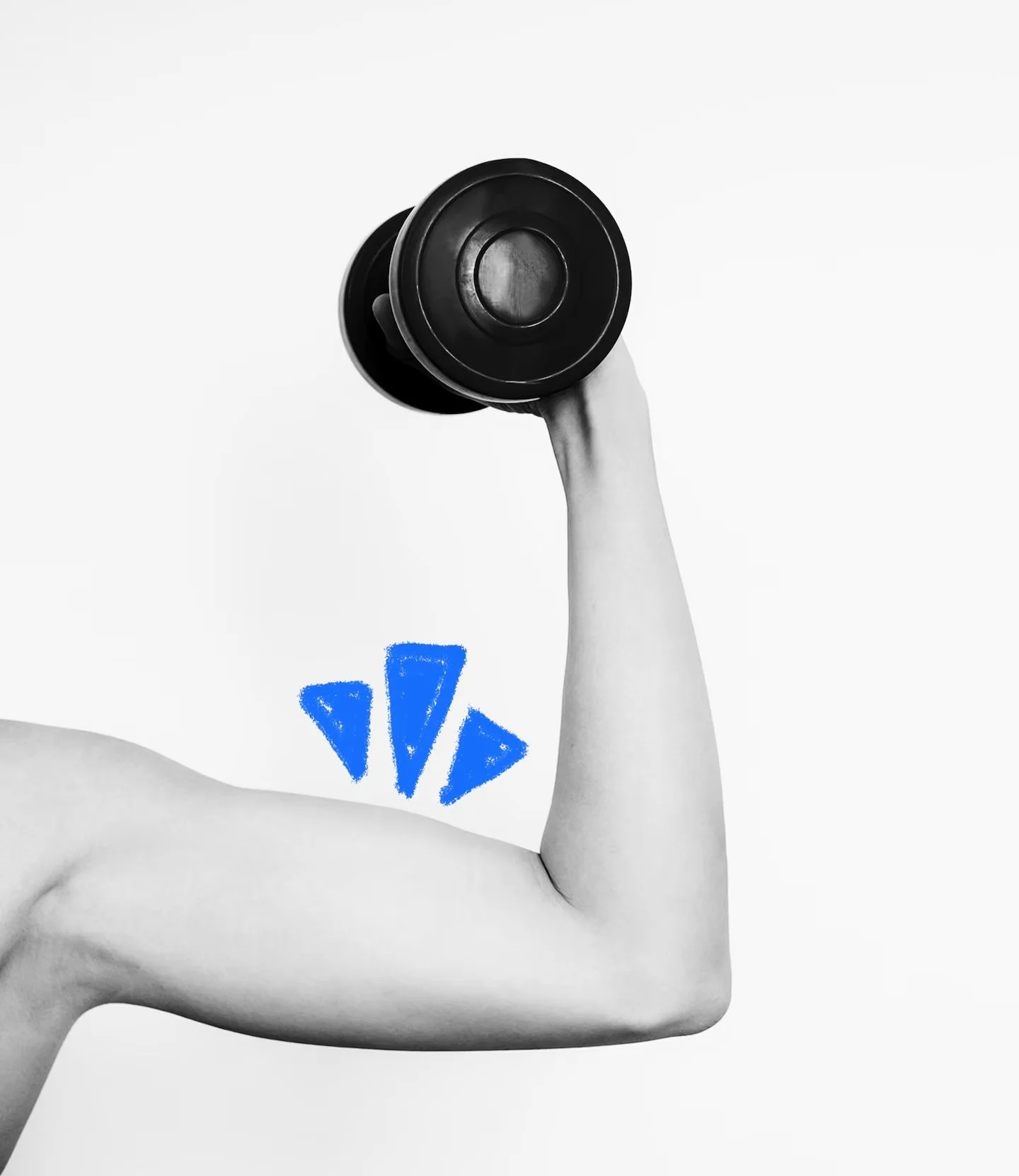
Age-related muscle loss—known medically as sarcopenia—is common and often begins as early as our 40s. However, it doesn’t have to be accepted as an inevitable part of aging. There are proven strategies for building and maintaining strength over time by ensuring that muscles are properly challenged, fueled, and given adequate time to recover.
Follow the link below to learn four actions you can take to maintain and even increase muscle mass as you age.

Grey Matters 6.19.26
There are plenty of reasons to make time for art this summer. And a new one just joined the list.
We’ve long believed that art nourishes the soul. Emerging research suggests it supports the body, too. A recent study from University College London found that engaging in arts and cultural activities may help slow biological aging, with benefits comparable to physical activity.
That doesn’t mean replacing your walk with a museum visit. But it does reinforce something we’ve suspected all along: meaningful engagement matters.
So consider this your summer invitation. Read. Watch. Listen. Wander. Press play. Visit the exhibit. Stay for the conversation.
Here’s what’s currently in our queue.
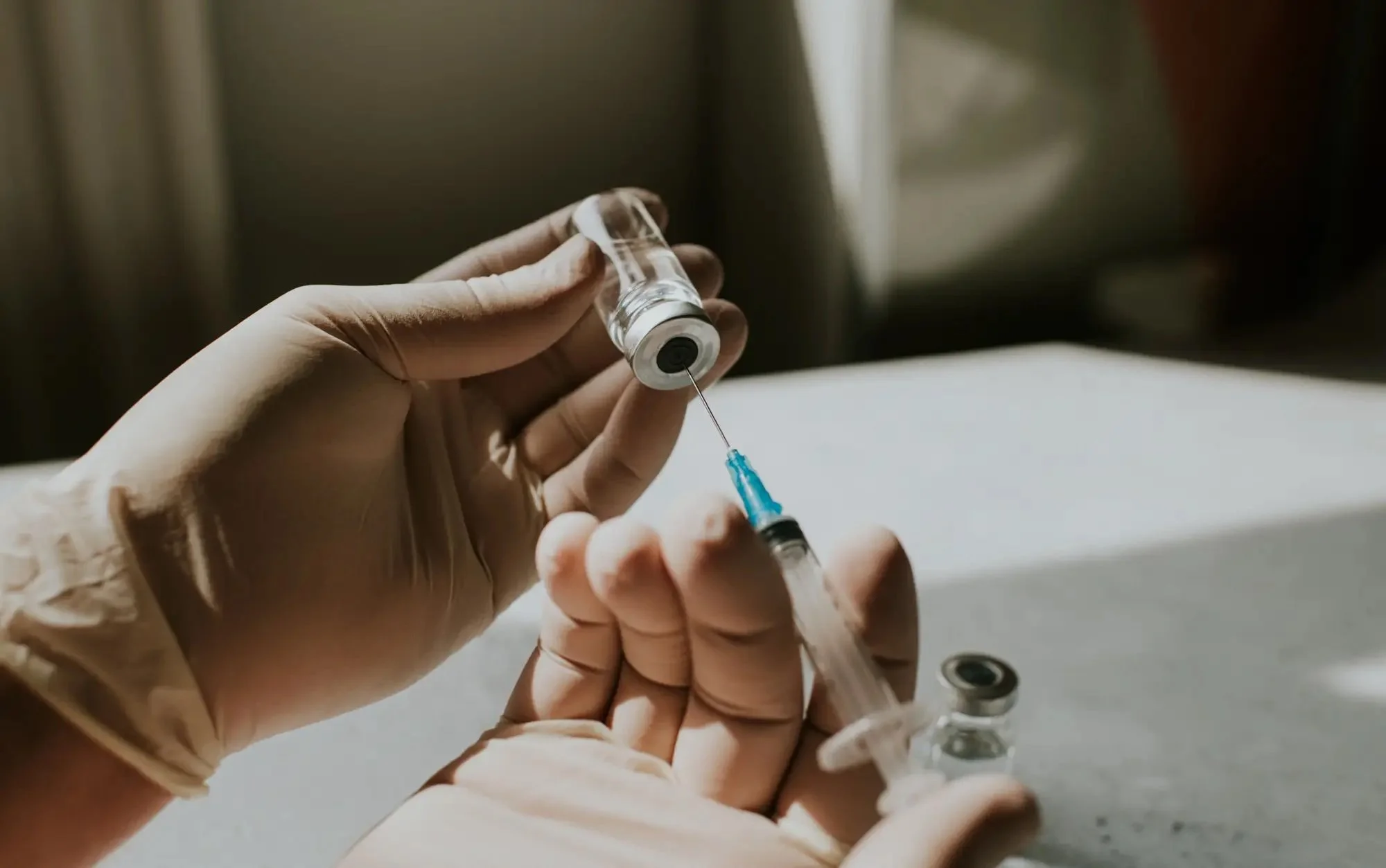
Reverse Aging Drug Injected into a Human Being for the First Time
After years of promising animal studies, the first human has received an injection designed to partially reset aging cells. Somewhere, at least a few older adults are thinking, “So… do I still have to stretch before tennis?”
Given the early stage of this experimental therapy and the fact that it’s not yet ready for primetime, we’d say keep going with the strength and fitness training.

Can Art Benefit Aging? New Research Says Yes
We’ve long believed that art nourishes the soul. Now new research suggests it may benefit the body as well. A recent study from University College London found that engaging in arts and cultural activities can help slow biological aging and offer benefits comparable to physical activity. Study co-lead Feife Bu said the findings highlight the importance of including the arts in public health strategies and investments.
Read more about the study below and tag your favorite arts organizations/artists in the comments!
Meet Diana Fitzpatrick
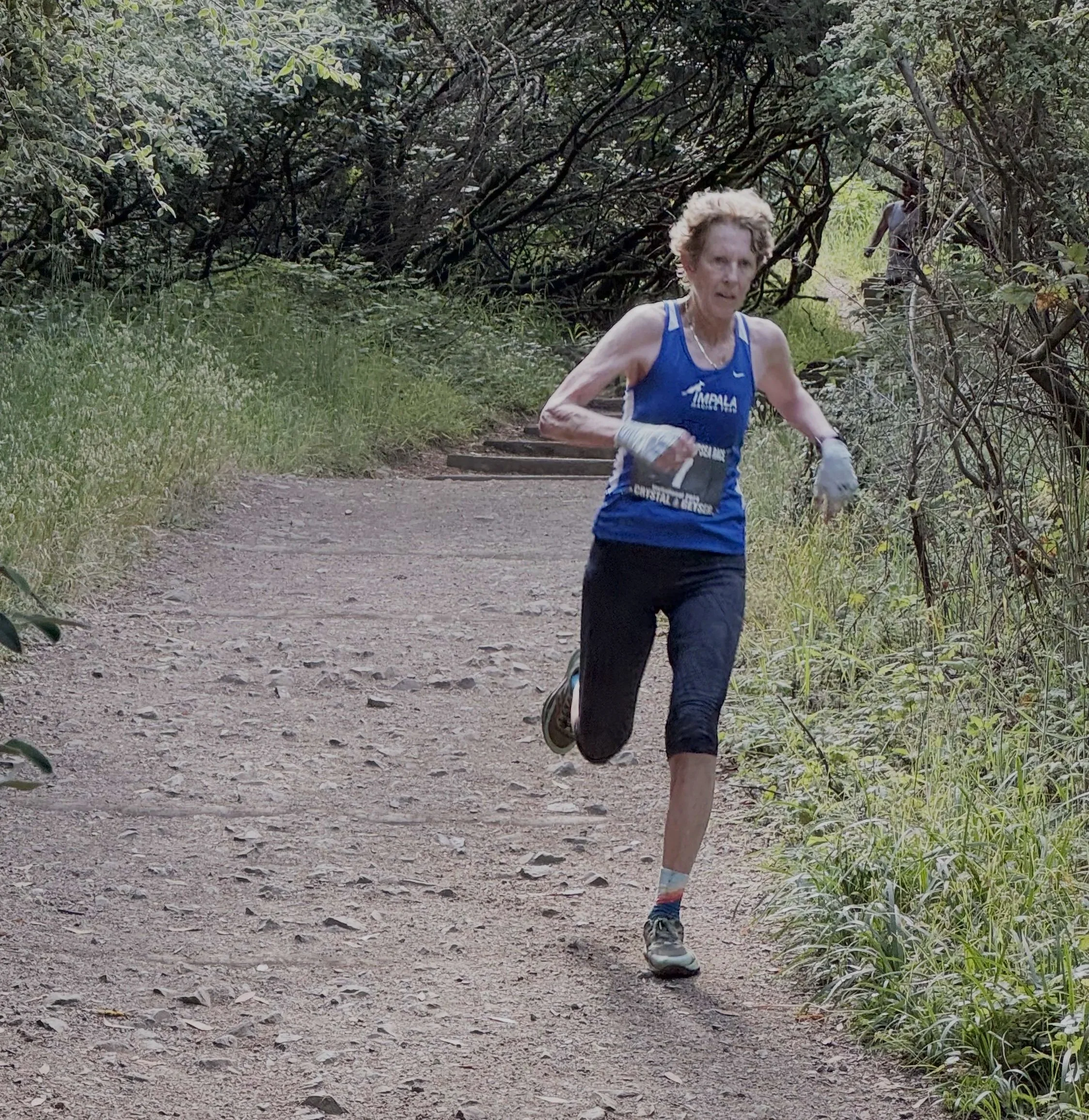
Elite athlete, former attorney, and mother of two, Diana Fitzpatrick, 68, brings rigor, empathy, and intelligence to everything she does. Her accomplishments are extensive: a three-time Olympic Marathon Trials qualifier (with a personal best of 2:37:32), an age-group record holder at the Western States 100-Mile Endurance Run (set at age 60), and a two-time winner of the famed Dipsea Race, among many other honors and achievements.
A priority for Diana is giving back to the running community. As the first female president of the Western States Endurance Run Foundation, she helmed a number of groundbreaking policies around diversity and inclusion. She also coaches the San Quentin Rehabilitation Center’s 1000 Mile Club, featured in the acclaimed documentary 26.2 to Life.
Strategies for Longer, Healthier Lives
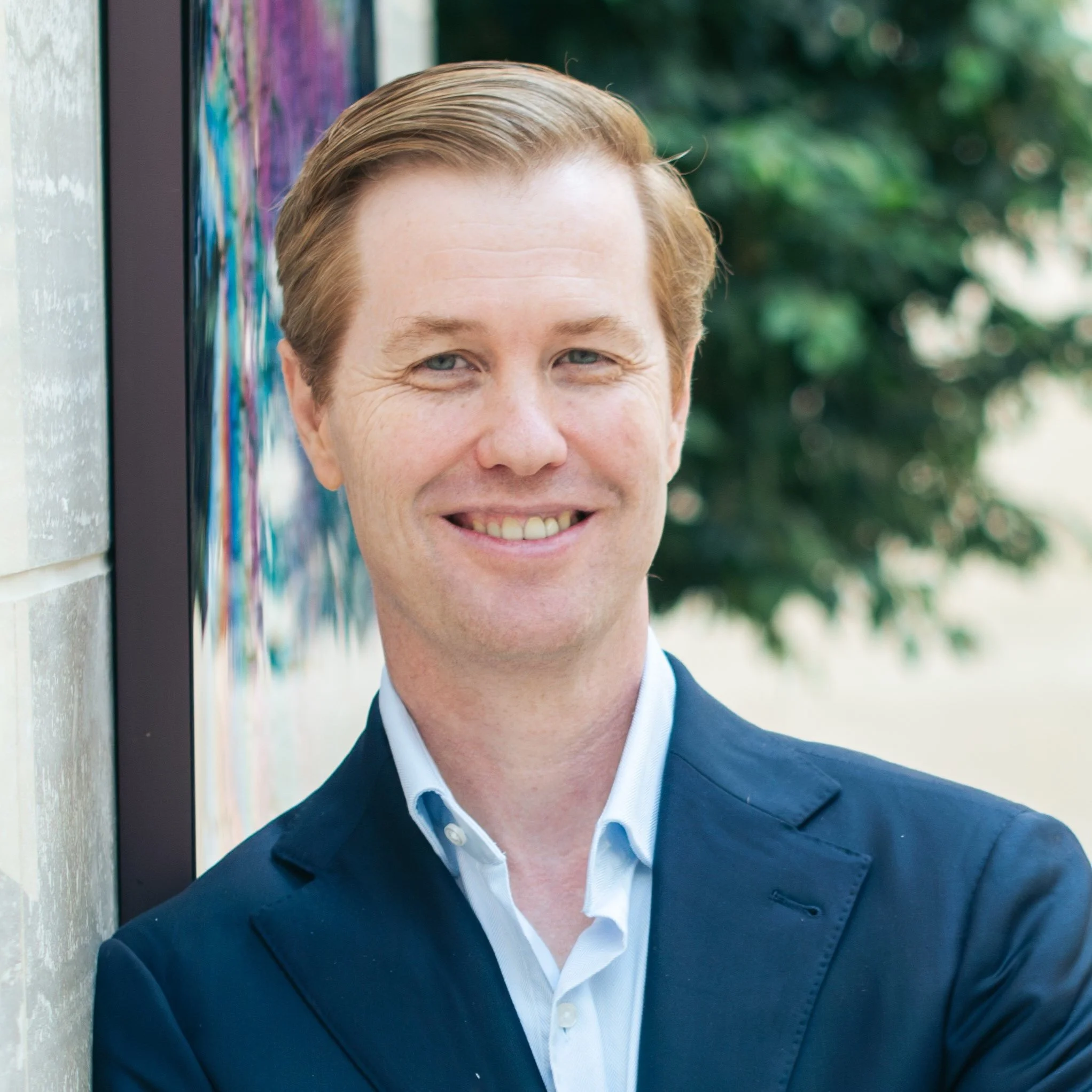
Join the Buck Institute–in person or via Zoom–on May 6 at 11am PT for the seminar, “Scientific Wellness to Unlock Longer, Healthier Lives.” Through big data, AI, and other advanced tools, Dr. Nathan Price is developing tailored strategies to support individual longevity. Follow the link below to register for the event.
Grey Matters 4.14.26
Hello Friend,
First, thank you to everyone who participated in our recent Sleep Poll. As you know, sleep has come under intense focus lately—arguably becoming today’s wellness obsession, rivaling even daily protein intake.
While this attention is warranted—quality sleep is strongly linked to longevity and reduced cognitive decline—there’s an important paradox: thinking too much about sleep can actually make it worse.
Get a Dog, Live Longer?
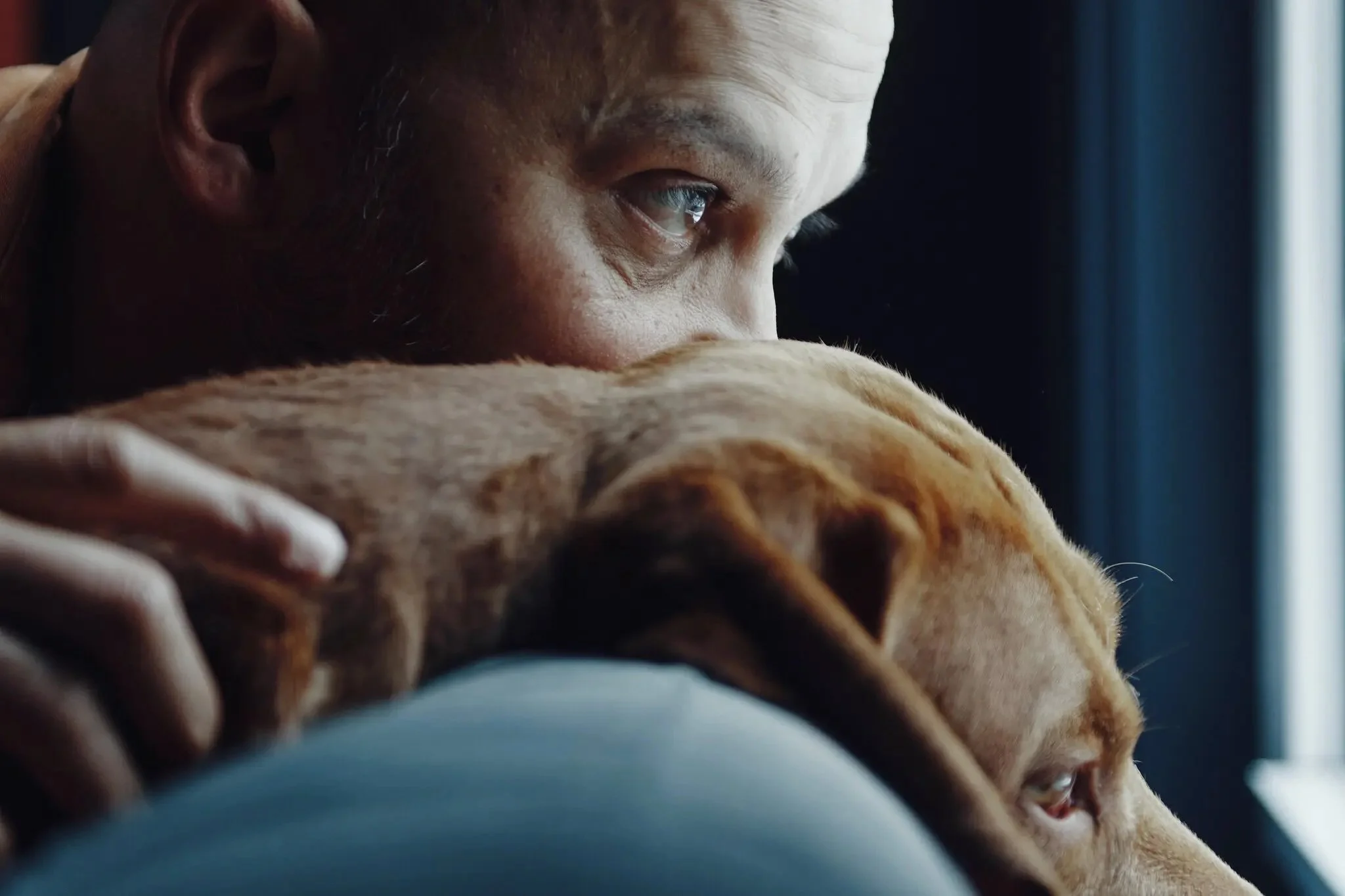
Studies show that having a pet, particularly dogs, can lead to longer, healthier (and, of course, happier) lives. Some thoughts as to the reason: increasing physical activity, improving mental well-being, and supporting social connection.
Grey Matters 3.11.26
Hello Friend,
In our last issue, we explored the Physical and Digital layers of today’s sleep stack.
Now we turn to the categories that generate the most discussion—and occasionally, the most controversy:
Drugs & Supplements
Mental & Viral Hacks
You may recall that Part One focused on environment and awareness. Here, in Part Two, we explore biology and psychology.
Read on to discover what we observed….
[Geritas content is for informational and educational purposes only. Our website is not intended to be a substitute for professional medical advice, diagnosis, or treatment.]
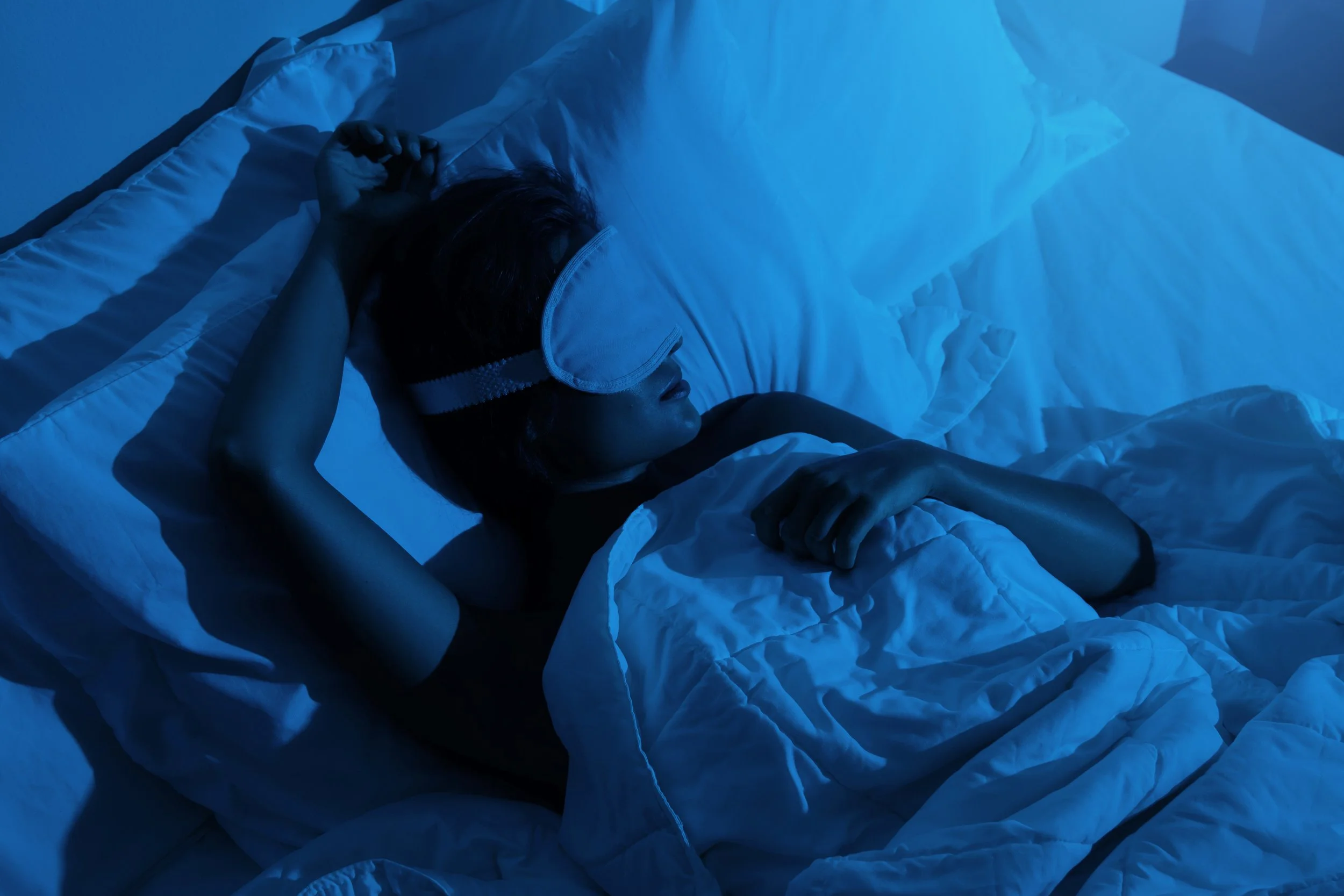
Sleep Is Not a Luxury
Research shows it is critical to brain health, and one of the most powerful pillars of aging well. Read more about the importance of quality sleep and how to achieve it in our newsletter “Grey Matters.” And, please take our Sleep Poll (link embedded in newsletter)!

Grey Matters 2.27.26
Hello Friend,
Remember the phrase, “I’ll sleep when I’m dead”—also the title of a 1976 song by Warren Zevon? It captured a certain “live fast” ethos, where work (or play) routinely eclipsed rest. For a time, that mindset signaled ambition and edge.
Today, we know better. Sleep is not a luxury. It is a biological necessity—and one of the most powerful (and underrated) levers in aging well….
[Geritas content is for informational and educational purposes only. Our website is not intended to be a substitute for professional medical advice, diagnosis, or treatment.]
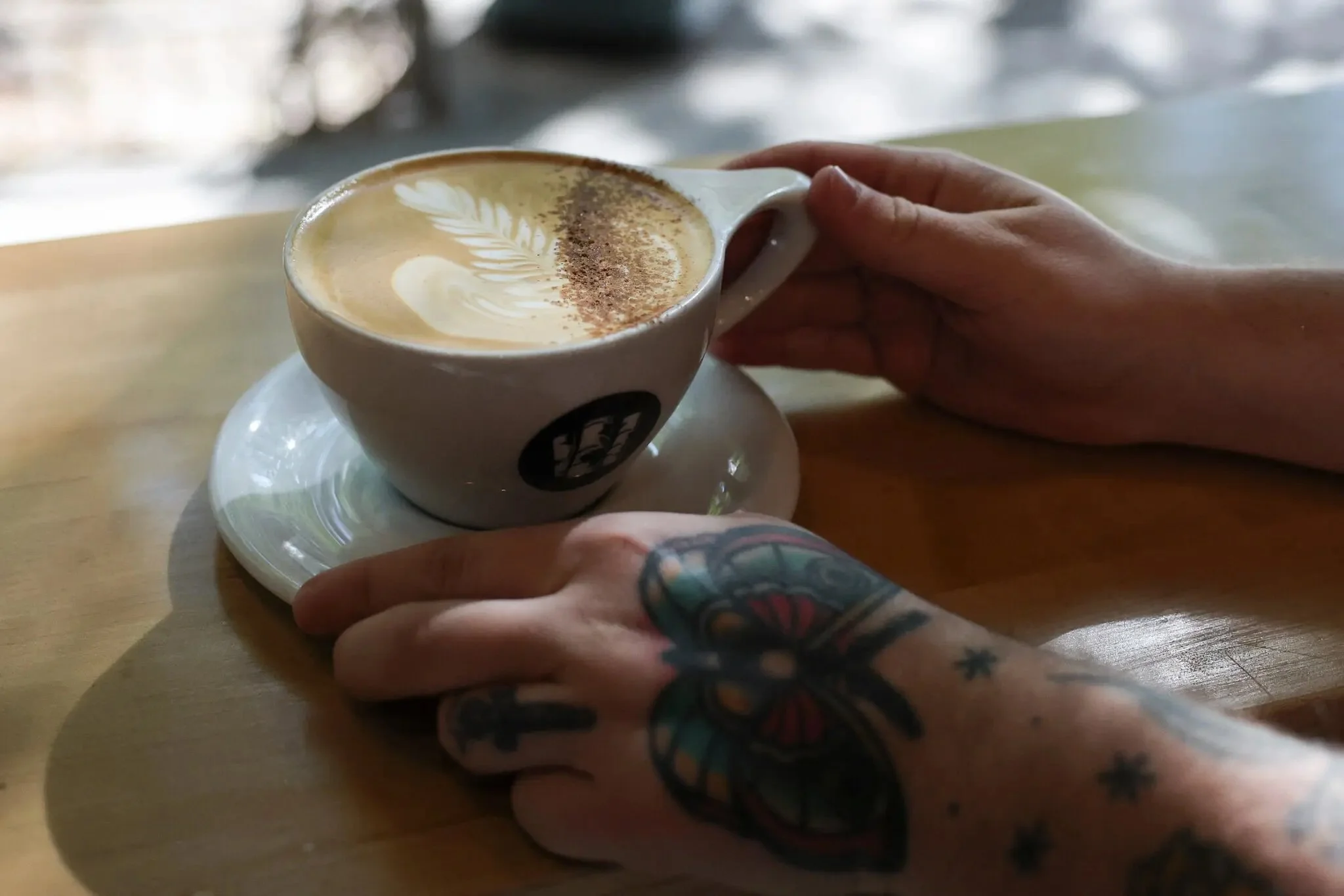
Coffee’s Perks Extend Beyond Boosting Energy
A rigorous study, conducted over the course of more than 40 years and including nearly 132,000 participants, found that coffee may reduce the risk of developing dementia. The fine print: the coffee (or tea) must be caffeinated and consumed in moderation, meaning two to three cups daily.
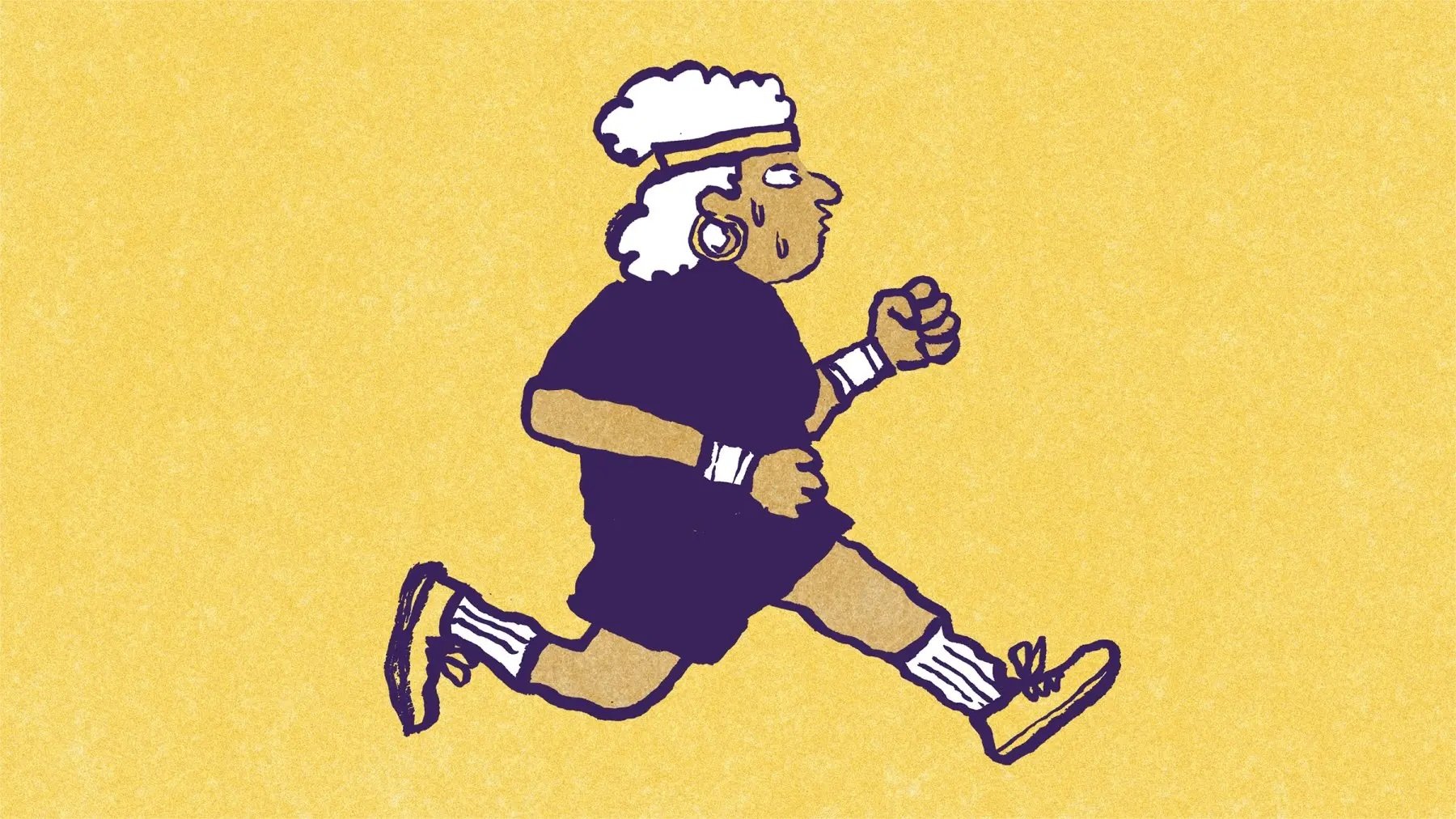
Redefining Old Age
As Time magazine suggested on the cover of its recent Longevity issue, we are in an era of a new old age. Lifespans have changed dramatically over the past several decades, and with that, newer generations of elders have emerged that are far more productive and active than past populations. Follow the link below to read more about the emerging trends and implications of the new old age.